All Categories
Featured
The 3-Minute Rule for Emerging Laws That Could Transform ...
What Does Prevalent Myths Surrounding Debt Forgiveness Mean?
Complimentary Informational Debt Counseling Workshops Off...

A Biased View of Is It Worth Compared to Going It Alone A...

Steps for Contact Why Mental Health Support for Veterans Matters More Than Ever Experts Today for Dummies
Table of Contents
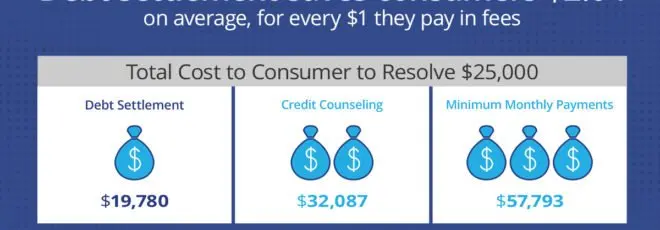
That maximizes money in the short-term, and you might have 3 to four years to save towards the negotiation amount. Extremely unsafe to debt ratings, primarily as a result of missed repayments and an unfavorable "resolved" mark that could remain on your debt report for up to seven yearsMay be only choice if other choices (financial obligation consolidation, balance transfer charge card, financial debt mercy) aren't possibleTypically calls for a cost to the 3rd party, which might balance out some or all of the cost savings from debt settlementMay assist you stay clear of bankruptcy if you have actually missed numerous paymentsNot all lenders deal with debt settlement business Debt mercy may be right for you if you are experiencing a financial hardship that makes it almost difficult to pay down your financial debt equilibriums.
With a DMP, you make one regular monthly repayment to the credit rating therapy firm. Those funds are after that distributed to lenders of your unprotected financial debts, such as credit history cards and installment fundings. The company collaborates with your lenders to lower rates of interest or waive charges, but some creditors might decline such concessions.
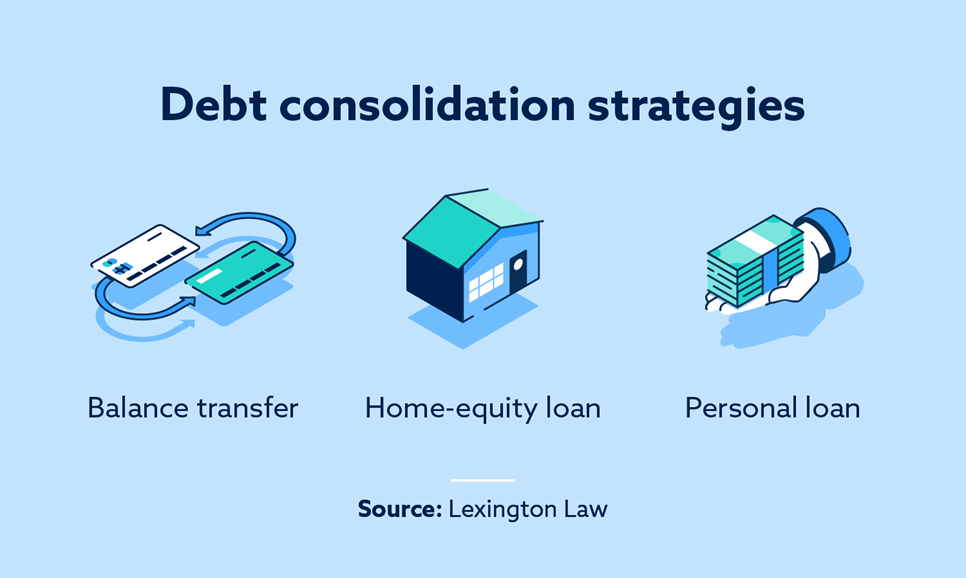
A financial debt combination financing combines your qualified financial obligations into one brand-new lending. It can aid you pay for financial debt if you're able to protect a car loan price that's less than the average rate of the accounts you're combining. Nevertheless, you should abstain from acquiring financial obligation on those newly removed accounts or your debt could grow even higher.
These cards typically supply a 0% rate of interest initial period of approximately 21 months. That offers you a lot of time to eliminate or considerably minimize your balance while making interest-free repayments. For some individuals dealing with overwhelming financial debt, bankruptcy may be the only way to stop collection proceedings and lawfully resolve their financial obligations.
Not known Facts About Real Stories of Individuals Who Secured Relief
You might need it if your financial institution or a collection firm ever tries to accumulate on the debt in the future. The letter might verify you don't owe what the collection agency's records show. Yes, most of the times, the IRS thinks about forgiven debt as taxed income. When a loan provider forgives $600 or more, they are called for to send you Kind 1099-C.
Debt forgiveness or settlement usually harms your credit score. Anytime you clear up a financial debt for less than you owe, it might show up as "worked out" on your credit score report and affect your credit report score for seven years from the day of settlement. Your debt can likewise go down considerably in the months leading to the forgiveness if you fall back on settlements.
Not known Facts About Developing a Stable Budget for Permanent Success
This scenario typically results from underreporting revenue, not filing returns on time, or discrepancies discovered throughout an Internal revenue service audit. The consequences of collecting tax debt are serious and can include tax obligation liens, which offer the IRS a lawful insurance claim to your residential property as security for the debt.
Salaries and Bank Accounts Internal revenue service can impose (confiscate) wages and bank accounts to satisfy the financial debt. Residential or commercial property Seizure In extreme instances, the Internal revenue service can seize and offer building to cover the financial obligation.
Clinical depression, stress and anxiety, and various other psychological health and wellness problems. Social Preconception Facing lawful action from the IRS can carry social stigma. Damages to credibility and partnerships. Work Opportunities A bad credit scores rating as a result of exhaust debt can limit job opportunity. Trouble finding or keeping a job. Government Benefits Tax financial obligation might influence eligibility for government benefits, such as Social Safety and Medicaid.
Little Known Questions About Support Offered From Why Mental Health Support for Veterans Matters More Than Ever Providers.
The OIC thinks about numerous factors, including the taxpayer's earnings, expenditures, possession equity, and capability to pay. Successfully working out an OIC can be complex, requiring an extensive understanding of the internal revenue service's guidelines and a strong disagreement for why your deal straightens with your ability to pay. It's essential to note that not all applications are accepted, and the procedure calls for in-depth financial disclosure.
The internal revenue service evaluates your total economic situation, including your income, costs, asset equity, and ability to pay. You have to additionally be existing with all declaring and payment needs and not be in an open personal bankruptcy proceeding. The internal revenue service also considers your compliance history, assessing whether you have a record of prompt filing and paying taxes in previous years.
Some Ideas on Documents to Prepare When Pursuing Bankruptcy Counseling You Should Know
The application procedure for an Offer in Compromise involves numerous detailed actions. You have to finish and submit Internal revenue service Form 656, the Offer in Concession application, and Kind 433-A (OIC), a collection information declaration for people. These forms need comprehensive economic information, consisting of details concerning your earnings, financial debts, expenses, and properties.
Back taxes, which are overdue tax obligations from previous years, can dramatically boost your complete IRS financial obligation otherwise attended to quickly. This financial debt can accrue passion and late repayment fines, making the original amount owed much bigger gradually. Failing to pay back taxes can result in the internal revenue service taking enforcement activities, such as releasing a tax lien or levy versus your home.
It is crucial to attend to back taxes as soon as feasible, either by paying the sum total owed or by organizing a layaway plan with the internal revenue service. By taking positive steps, you can stay clear of the accumulation of extra interest and charges, and stop more hostile collection activities by the IRS.
One common factor is the idea that the taxpayer can pay the complete amount either as a lump amount or via a layaway plan. The IRS likewise takes into consideration the taxpayer's revenue, expenditures, property equity, and future earning possibility. If these elements show that the taxpayer can afford to pay greater than the offered quantity, the IRS is most likely to decline the offer.
Getting The Non-Profit Debt Forgiveness Options Reviewed To Work
Dealing with IRS debt can be intricate and overwhelming. Tax obligation specialists, such as CPAs, tax obligation lawyers, or signed up agents, can provide important aid.

Table of Contents
Latest Posts
The 3-Minute Rule for Emerging Laws That Could Transform Bankruptcy Procedures

What Does Prevalent Myths Surrounding Debt Forgiveness Mean?
Complimentary Informational Debt Counseling Workshops Offered by APFSC Fundamentals Explained
More
Latest Posts
The 3-Minute Rule for Emerging Laws That Could Transform Bankruptcy Procedures
What Does Prevalent Myths Surrounding Debt Forgiveness Mean?
Complimentary Informational Debt Counseling Workshops Offered by APFSC Fundamentals Explained